Group
Explore
Wish Lists
FAQ
launch-24px
Request a Video
Login
Group 3
Shape Copy 3
Group
Group 3
Shape Copy 3
Shape
Group 3
Explore
Wish Lists
FAQ
Login
keyboard-arrow-left
Back
Collection
ClassSpark
Share
Add Collection to Cart
Or
Add Collection to Wish List
Course Overview
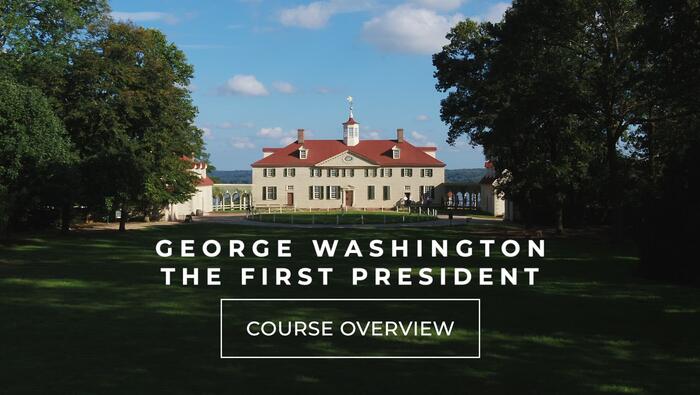
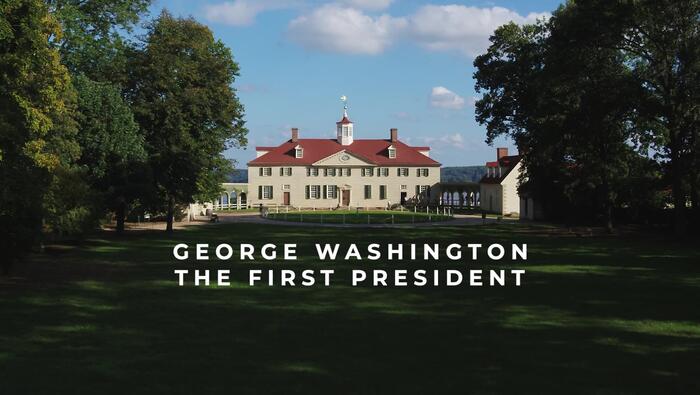
This is an introductory episode to a two-part course, examining how George Washington's leadership established enduring precedents influencing generations of leaders.
Add to Wish List
Group
Add to Cart
Voices of the Past: Robert Mursh
Our knowledge of early Virginia’s Indigenous peoples often relies on sources created by colonizers. Much of what is known about Robert Mursh does not come from his own accounts but from the occasions when he crossed paths with colonial institutions. Using these primary sources offers a deeper understanding of the lives of Indigenous peoples in colonial times.
Add to Wish List
Group
Add to Cart
Voices of the Past: Women
Accounts of the lives of Black people in early America rarely capture their own voices, especially in the case of the enslaved. Using primary sources allows analysis through case studies to understand the role of Black people in Colonial Williamsburg.
Add to Wish List
Group
Add to Cart
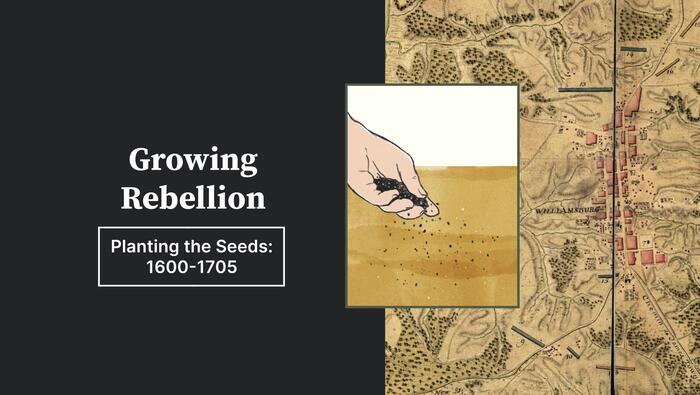
Planting the Seeds: 1600-1705
From 1600 to 1705, colonial Virginia’s economy, evolving political institutions, and entrenched social order laid the groundwork for Williamsburg’s future role in the American Revolution.
Add to Wish List
Group
Add to Cart
Inventing the Presidency Promo
A promotional video for the ClassSpark course George Washington: Inventing the Presidency
Add to Wish List
Group
Add to Cart
Promo
From 1699 to 1780, Williamsburg stood at the crossroads of colonial life. In the decades that followed, it had a huge influence on American democracy and governance.
Add to Wish List
Group
Add to Cart
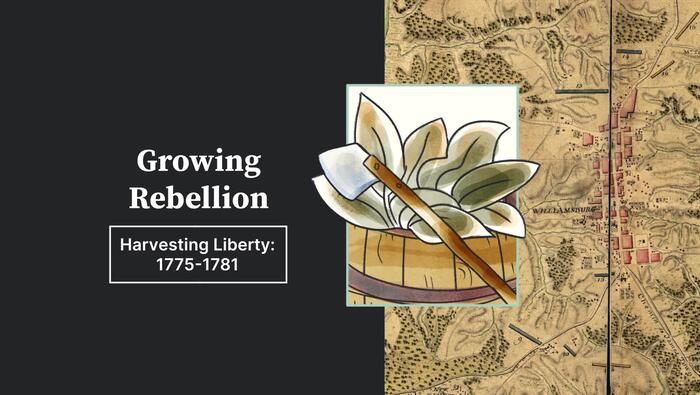
Harvesting Liberty: 1775-1781
Between 1775 and 1781, Virginia and Williamsburg helped turn revolutionary ideals into functioning systems of self-government.
Add to Wish List
Group
Add to Cart
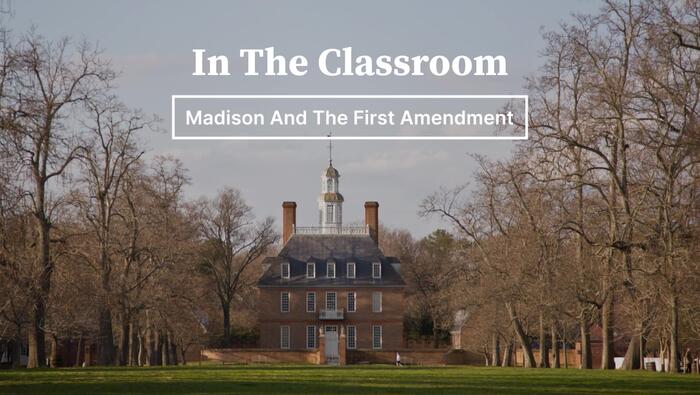
In the Classroom: Madison and the First Amendment
In 1791, Congress adopted the First Amendment, a cornerstone of the Constitution shaped by James Madison’s commitment to protecting essential American liberties. This Classroom Application episode is designed to accompany and enhance Advice To My Country: Madison and The First Amendment.
Add to Wish List
Group
Add to Cart
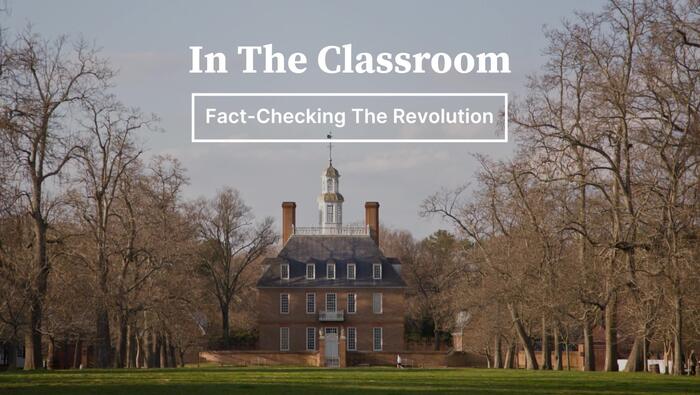
In The Classroom: Fact-Checking the Revolution
Evaluating information and identifying reliable sources supports the core values of republican government and informed citizenship. This Classroom Application episode is designed to accompany and enhance Advice To My Country: Republicanism, Representation, & Civic Virtue.
Add to Wish List
Group
Add to Cart
Meals, Meetings, and Merriment
What people ate in Colonial Williamsburg, how they made it, and with whom, shows how cultures collided, blended, and adapted – shaping new traditions one meal at a time.
Add to Wish List
Group
Add to Cart
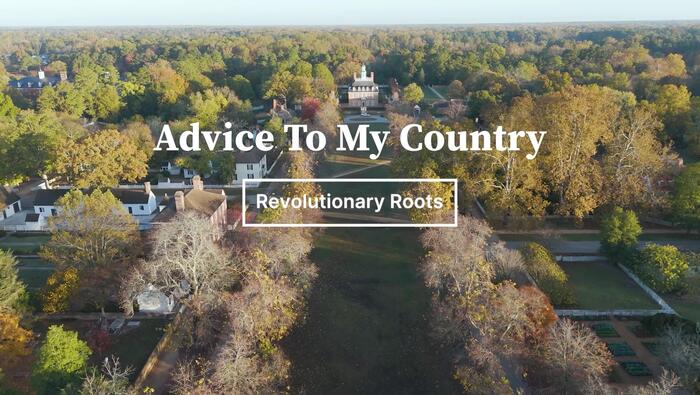
Advice To My Country: Revolutionary Roots
Long before American independence, Williamsburg was already at the center of political life in Virginia. Explore how this area became a place for people to come together, to question, and chart a way forward.
Add to Wish List
Group
Add to Cart
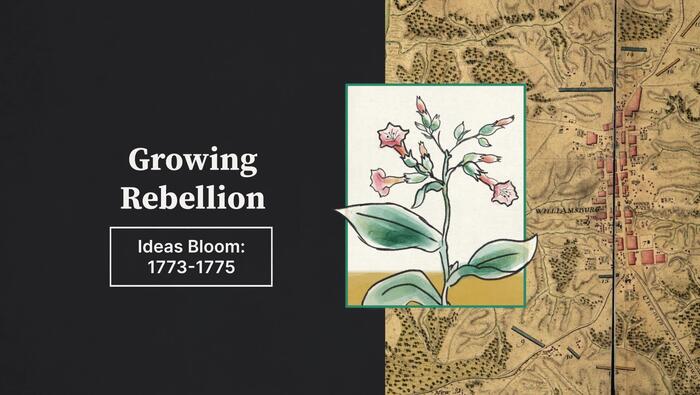
Ideas Bloom: 1773-1775
From 1773 to 1775, Williamsburg’s citizens took bold steps – through committees, boycotts, protests, and pamphlets – that helped unite the colonies and spark rebellion against British rule.
Add to Wish List
Group
Add to Cart
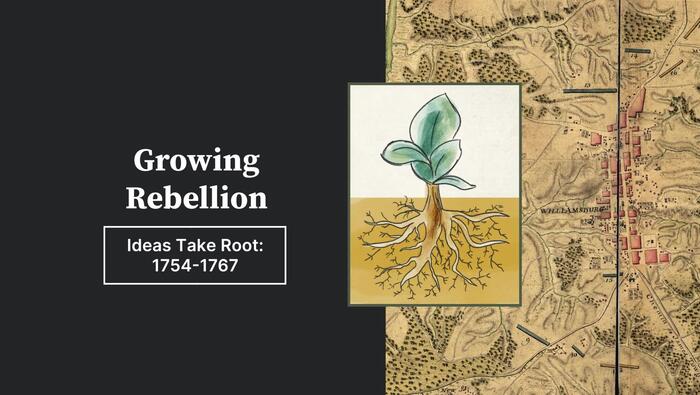
Ideas Take Root: 1754-1767
Virginia and Williamsburg had a huge impact on the American Revolution, as conflicts over land, taxation, and political rights turned loyal colonists into leaders of resistance against British rule.
Add to Wish List
Group
Add to Cart
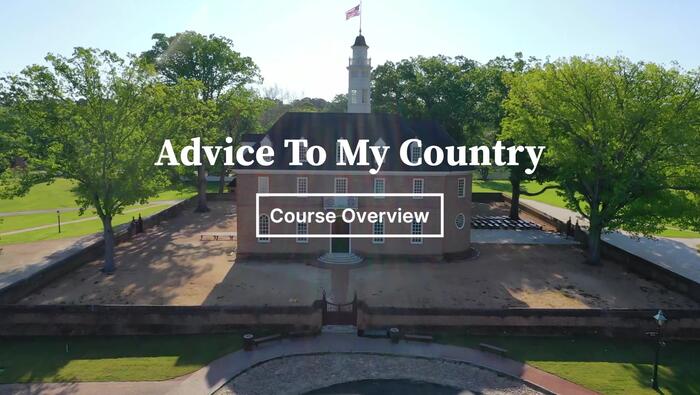
Course Overview
Written near his death, James Madison’s sealed letter reveals insights into the early republic and the influential role Virginia and Williamsburg played in shaping it.
Add to Wish List
Group
Add to Cart
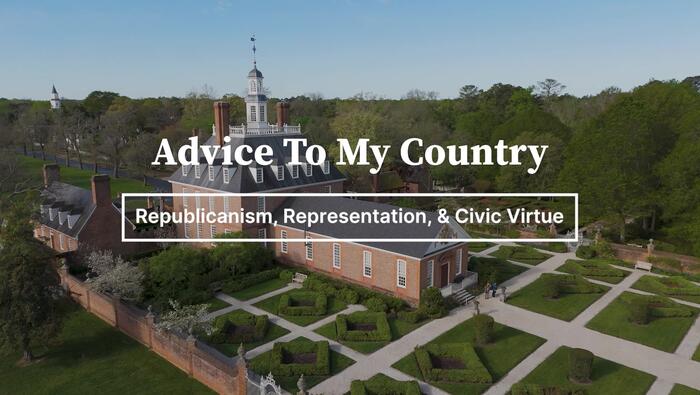
Advice To My Country: Republicanism, Representation, and Civic Virtue
The Virginia Declaration of Rights set forth principles of liberty while asking, could the new republic endure, or would it collapse like so many before it? Explore the early foundations of the new American republic.
Add to Wish List
Group
Add to Cart
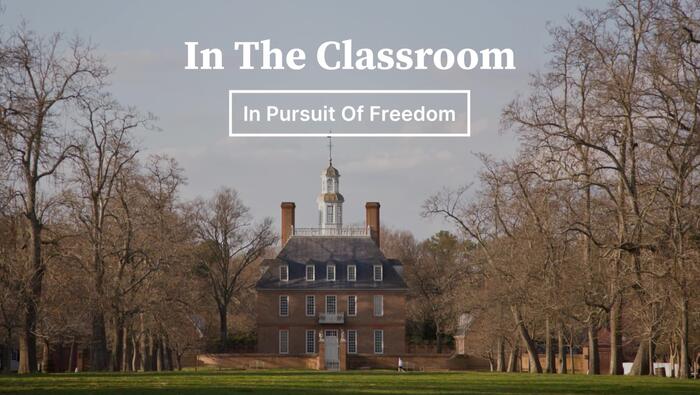
In the Classroom: In Pursuit of Freedom
In the revolutionary era, slavery stood as a central paradox in a nation founded on liberty. A contradiction revealed in surviving records, including historic ads written by enslavers. This Classroom Application episode is designed to accompany and enhance Advice To My Country: Slavery & Freedom.
Add to Wish List
Group
Add to Cart
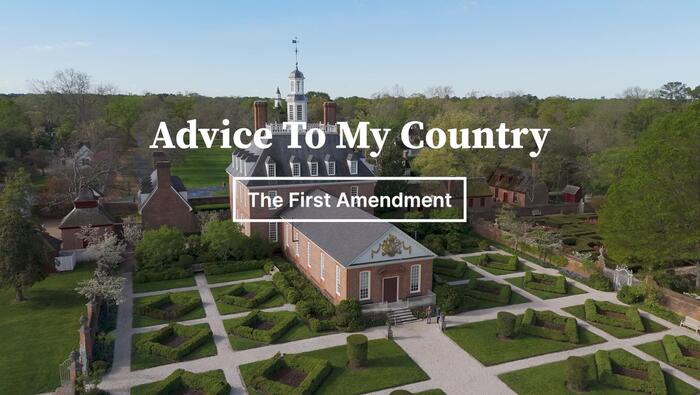
Advice To My Country: The First Amendment
The First Amendment to the United States Constitution was ratified in 1791. Take a closer look at how Virginia, Williamsburg, and James Madison played a role in the foundation of the Bill of Rights.
Add to Wish List
Group
Add to Cart
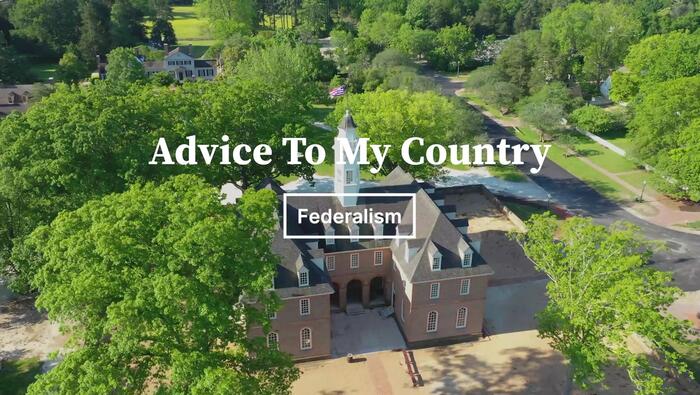
Advice To My Country: Federalism
From the first revolutionary protests to the drafting of the Constitution, Americans wrestled with sovereignty and the shape of a new nation. Explore both sides of the federalism debate.
Add to Wish List
Group
Add to Cart
Advice To My Country: Promo
Trace the origins of the republic and the pivotal influence of Virginia and Williamsburg in the early development of the United States.
Add to Wish List
Group
Add to Cart
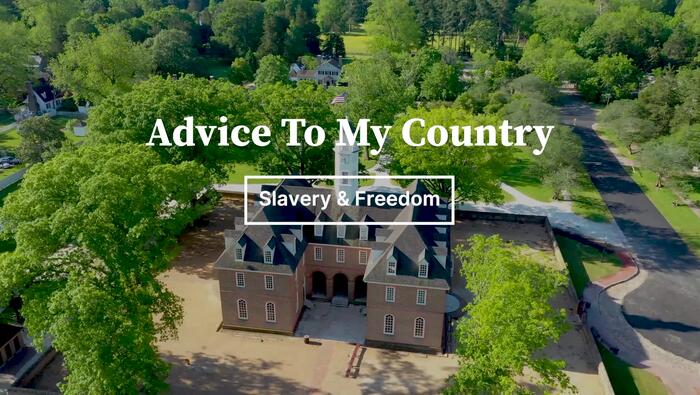
Advice To My Country: Slavery and Freedom
In colonial Virginia, slavery shaped every aspect of society and underpinned its leadership in the Revolution. Examine how colonists who cried for liberty also enslaved others.
Add to Wish List
Group
Add to Cart
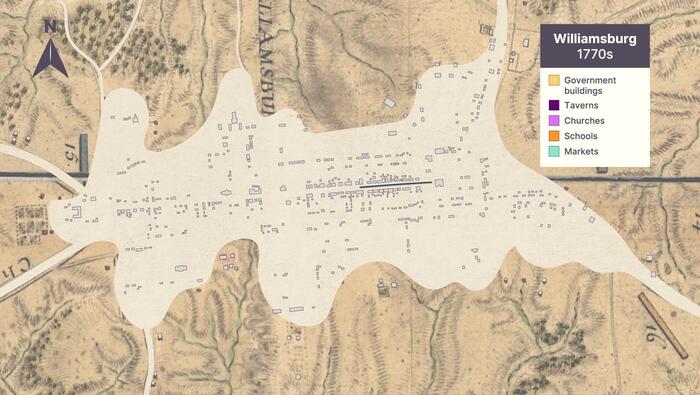
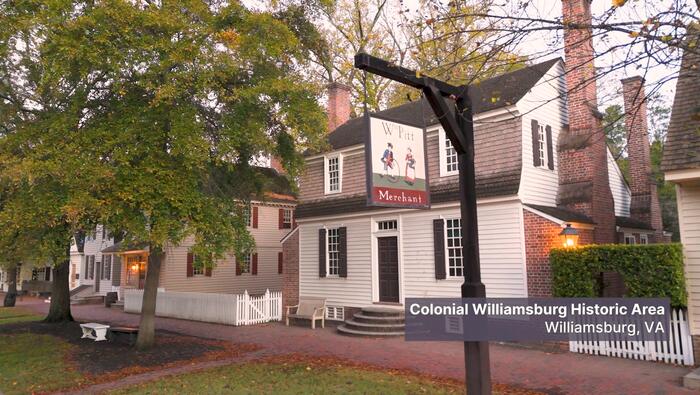
Introduction to Colonial Williamsburg
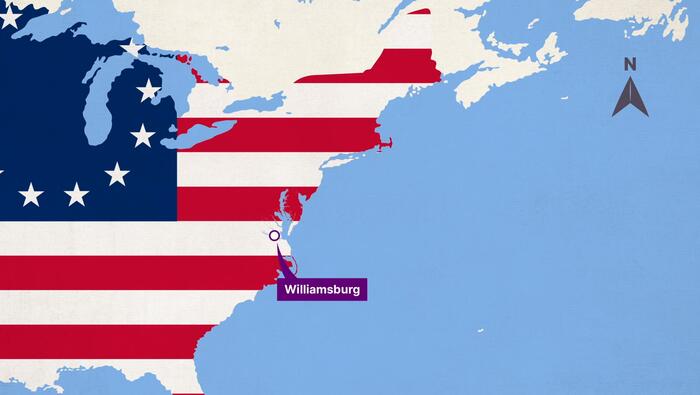
Williamsburg, colonial capital of Virginia, played a pivotal role in the American Revolution. Its rich history continues to shape our understanding of America’s early ideals.
Add to Wish List
Group
Add to Cart
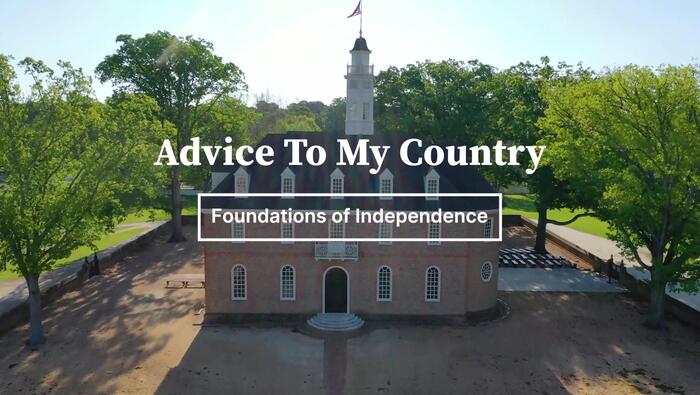
Advice To My Country: Foundations of Independence
Thomas Jefferson described the Declaration of Independence as expressing the “American mind,” drawing on political and philosophical traditions that influenced the nation’s formation. Explore the role of philosophy in the foundation of a new nation.
Add to Wish List
Group
Add to Cart
Echoes of the Past
Colonial Williamsburg preserves the past as a living city, inviting visitors to walk its streets, confront the complexities of revolutionary America, and carry its lessons into the future.
Add to Wish List
Group
Add to Cart
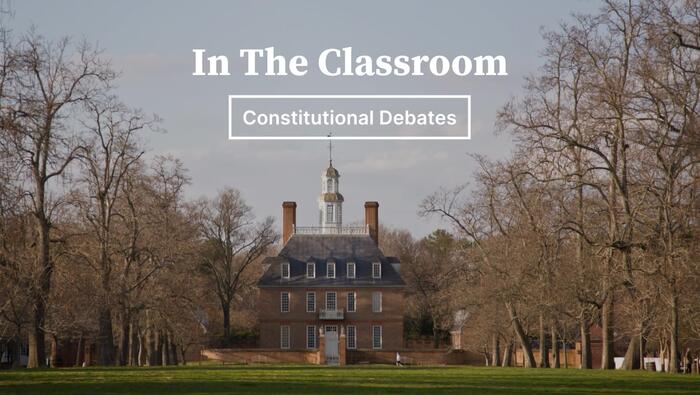
In the Classroom: Constitutional Debates
Early debates between Federalists and Anti-Federalists shaped the United States Constitution and continue to influence American political life today. This Classroom Application episode is designed to accompany and enhance Advice To My Country: Federalism.
Add to Wish List
Group
Add to Cart
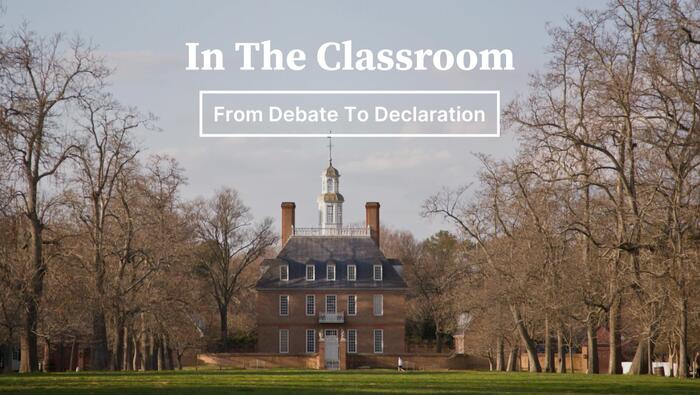
In the Classroom: From Debate to Declaration
In 1776, core political ideals and rising tensions shaped the Founders’ decision to declare independence from Britain. This Classroom Application episode is designed to accompany and enhance Advice To My Country: Foundations of Independence.
Add to Wish List
Group
Add to Cart
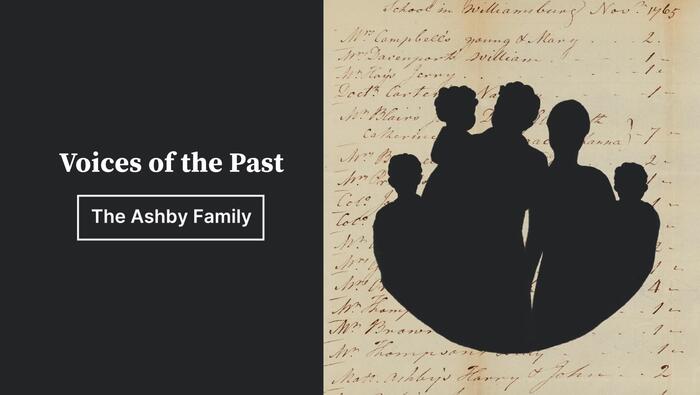
Voices of the Past: Ashby Family
The Ashby family’s story reveals the struggle for freedom, family, and dignity faced by Black Americans in 18th-century Williamsburg.
Add to Wish List
Group
Add to Cart
Government & Religion
Government, law, and religion in Colonial Williamsburg were intertwined, with British rule shaping politics, courts enforcing laws, and the Anglican Church dominating society.
Add to Wish List
Group
Add to Cart
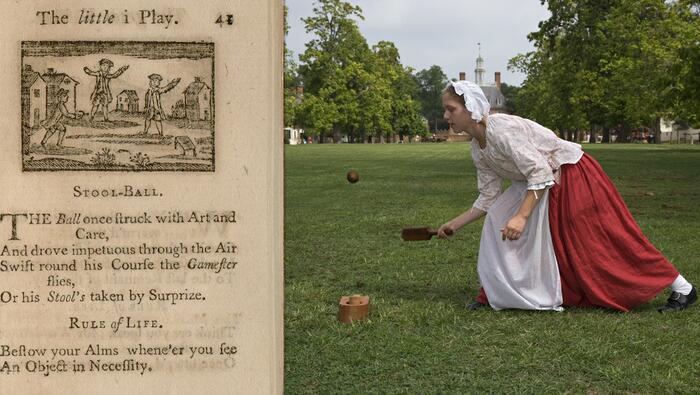
Childhood
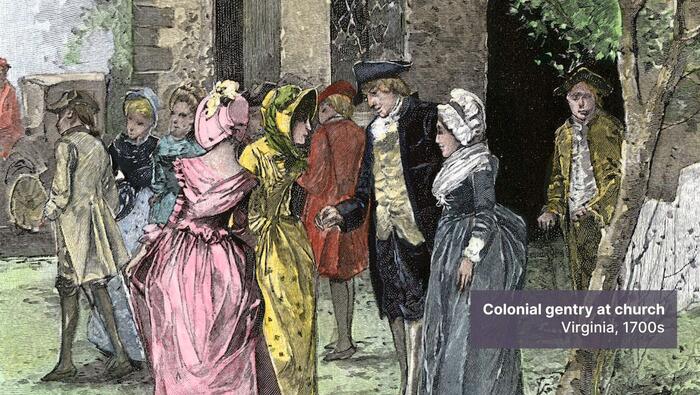
In Colonial Virginia, children were at the heart of daily life. But a child’s experiences in the 18th century were shaped by their social status in a deeply unequal, hierarchical society.
Add to Wish List
Group
Add to Cart
Women
Whether laboring in bondage or engaging in business, a woman’s race, class, and legal status in Colonial Williamsburg shaped the roles society allowed – or denied – her.
Add to Wish List
Group
Add to Cart
Labor & Legacy
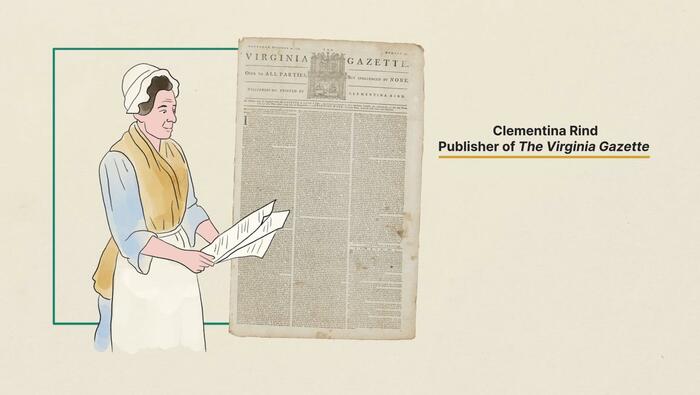
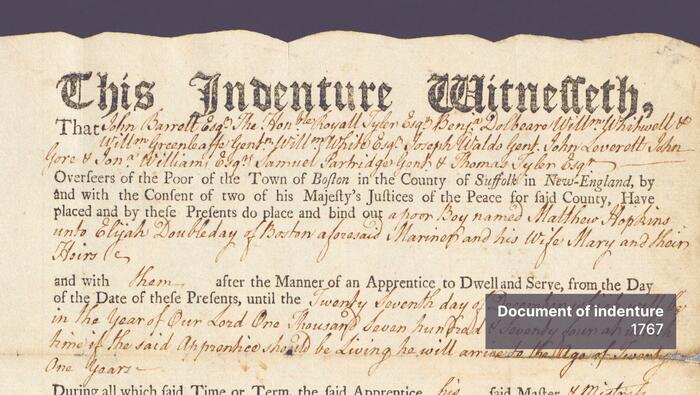
From indentured servants and apprentices to enslaved people, unfree labor was the engine of the colonial economy. including in Virginia and Colonial Williamsburg.
Add to Wish List
Group
Add to Cart
Commerce and Social Structure
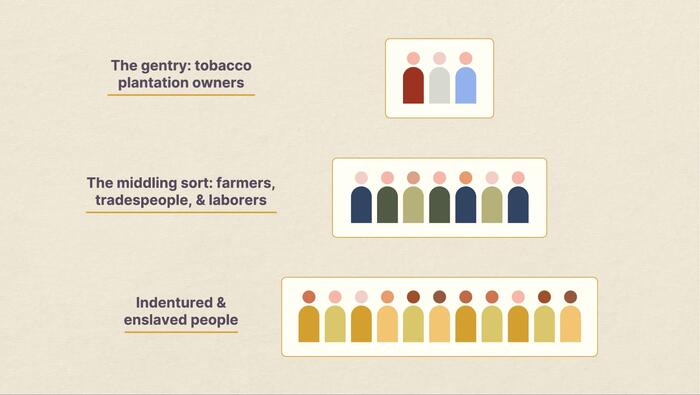
Colonial Williamsburg thrived on trade, tobacco, and social hierarchy, where commerce linked all classes – and consumer choices helped drive Virginia toward revolution.
Add to Wish List
Group
Add to Cart
Economy of Colonial Virginia
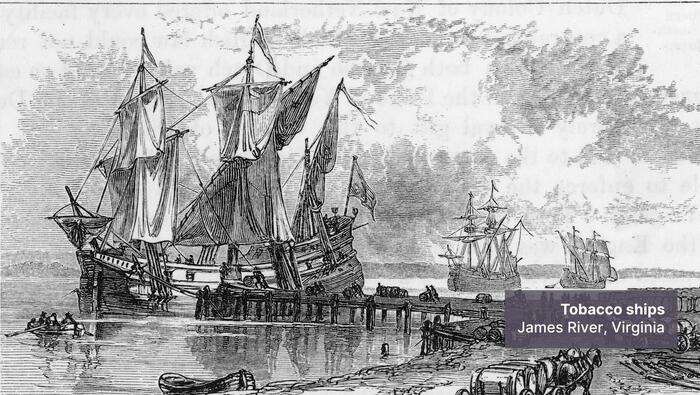
Tobacco transformed Virginia into Britain’s most powerful colony, shaping its economy, society, and conflicts through enslaved labor, settlement, and international trade.
Add to Wish List
Group
Add to Cart
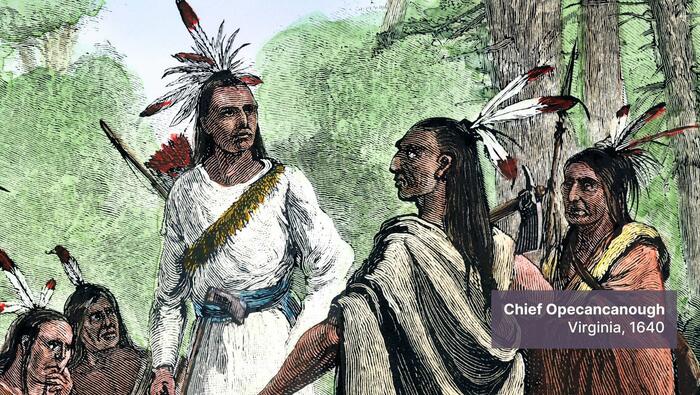
Indigenous Voices
During colonial times, the Indigenous peoples of Virginia, faced a changing world as English settlers arrived, leading to conflict, adaptation, and cultural resilience.
Add to Wish List
Group
Add to Cart
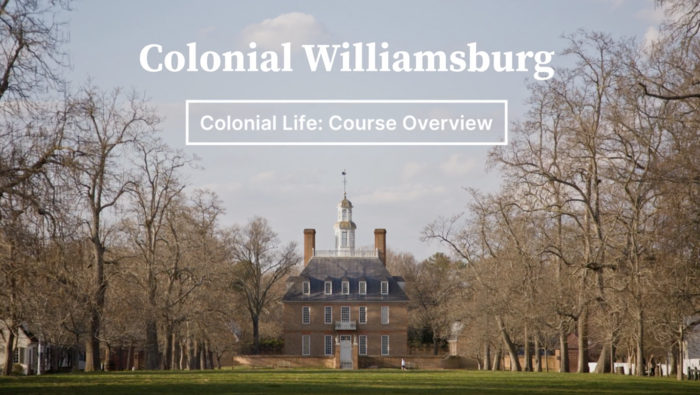
Course Overview
From 1699 to 1780, Williamsburg stood at the crossroads of colonial life. In the decades that followed, it had a huge influence on American democracy and governance.
Add to Wish List
Group
Add to Cart
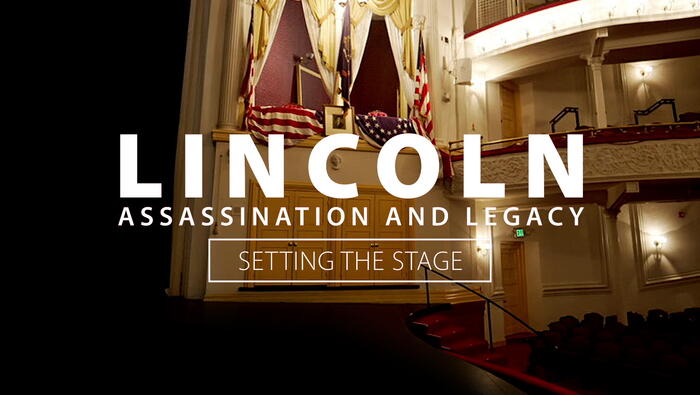
Setting the Stage
On April 14th, 1865, President Abraham Lincoln attended a comedy at Ford’s Theatre in Washington, D.C. The events that took place that night reflected the ongoing divisions of the American Civil War.
Add to Wish List
Group
Add to Cart
Minute-by-Minute
Follow the tragic events of April 14, 1865, as President Abraham Lincoln and Confederate sympathizer John Wilkes Booth's journey toward their fateful meeting at Ford’s Theatre in Washington, D.C.
Add to Wish List
Group
Add to Cart
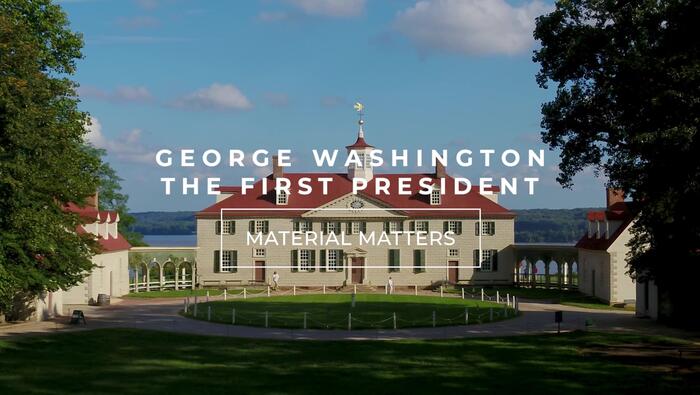
Material Matters
George Washington’s familial home, Mount Vernon, is a rich source of material culture that provides teachers with meaningful opportunities to help students learn from historical artifacts.
Add to Wish List
Group
Add to Cart
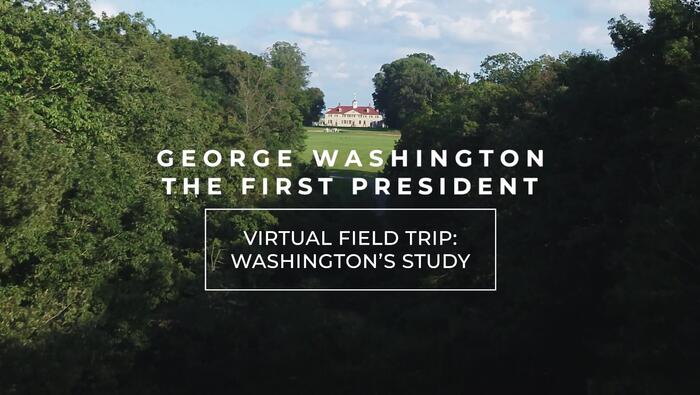
Virtual Field Trip: George Washington's Study
By exploring George Washington’s study at Mount Vernon, the first president’s historic home, teachers can help students connect his private world to the public legacy he left behind.
Add to Wish List
Group
Add to Cart
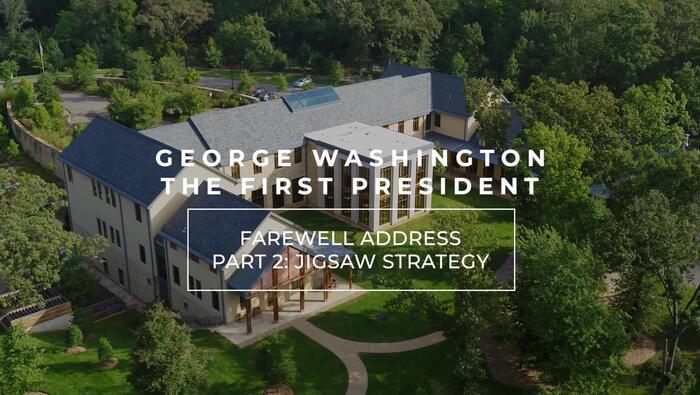
Farewell Address Part 2: Jigsaw Strategy
George Washington’s Farewell Address is a valuable primary source that offers teachers effective strategies , like the Jigsaw Strategy, for helping students explore its content and enduring impact.
Add to Wish List
Group
Add to Cart
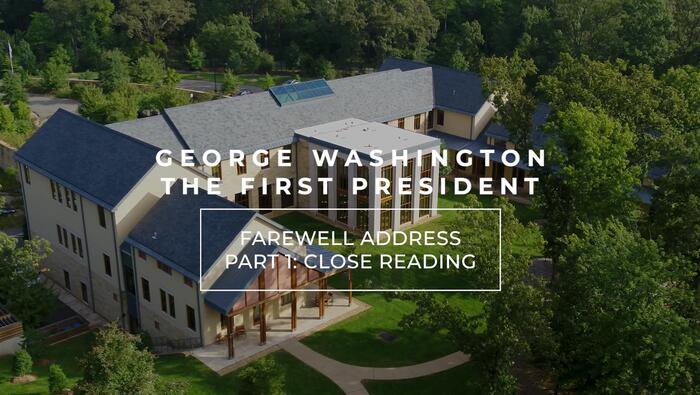
Farewell Address Part 1: Close Reading
George Washington’s Farewell Address is a valuable primary source that offers teachers effective strategies, including Close Reading, to help students explore its content and enduring impact.
Add to Wish List
Group
Add to Cart
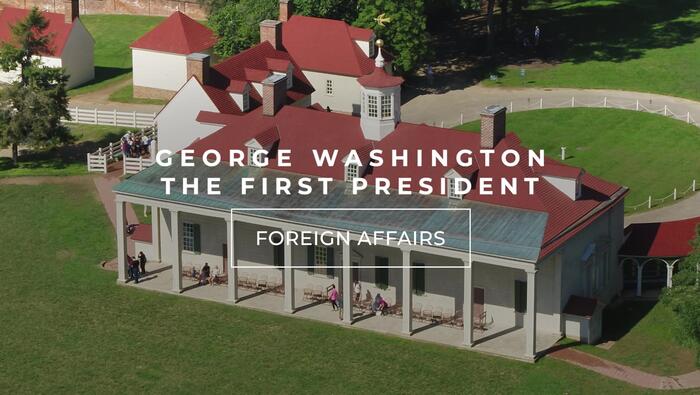
Foreign Affairs
George Washington shaped American foreign policy through treaties, neutrality, and diplomacy – asserting executive power and setting enduring precedents for leadership in international affairs.
Add to Wish List
Group
Add to Cart
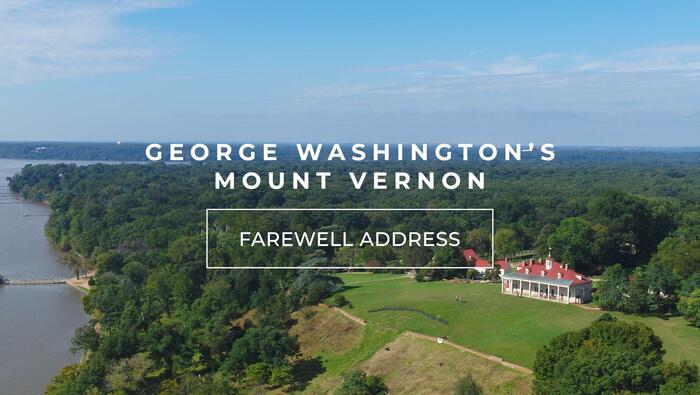
Farewell Address
George Washington’s Farewell Address and decision not to seek a third term defined the presidency through restraint, national unity, and the peaceful transfer of power.
Add to Wish List
Group
Add to Cart
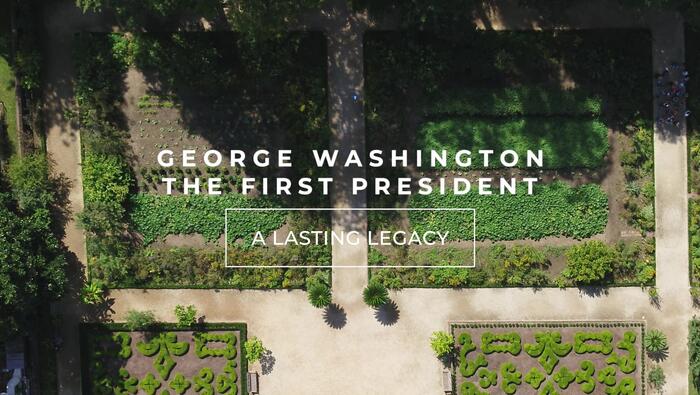
A Lasting Legacy
George Washington’s leadership guided the United States through its formative years and established many of the enduring principles and practices that continue to define the presidency today.
Add to Wish List
Group
Add to Cart
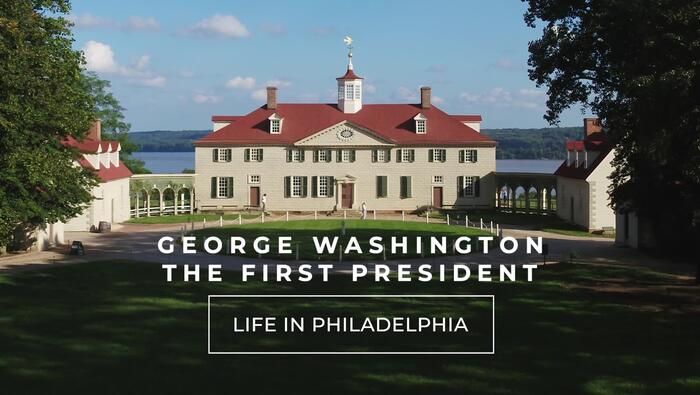
Life in Philadelphia
Before Washington, D.C. became the capital, George Washington led the presidency from New York and Philadelphia – a lasting reminder that leadership is shaped not only by people, but by place.
Add to Wish List
Group
Add to Cart
Domestic Crisis
As the first President, George Washington navigated domestic crises including economic upheaval and rebellion, setting lasting precedents for federal authority and fiscal leadership.
Add to Wish List
Group
Add to Cart
Forming the Cabinet
George Washington created the first presidential Cabinet, promoting open debate and setting a lasting precedent for collaborative executive leadership in the United States.
Add to Wish List
Group
Add to Cart
Inventing The Presidency
As the first president, George Washington established enduring precedents that defined the executive office and set a lasting standard for leadership. Take a closer look at how this reluctant leader helped shape a new nation and its highest office.
Add to Wish List
Group
Add to Cart
Path to the Presidency
George Washington’s early life, military service, and steady, collaborative leadership style made him the right man in the right place at the right time to shape a new nation.
Add to Wish List
Group
Add to Cart
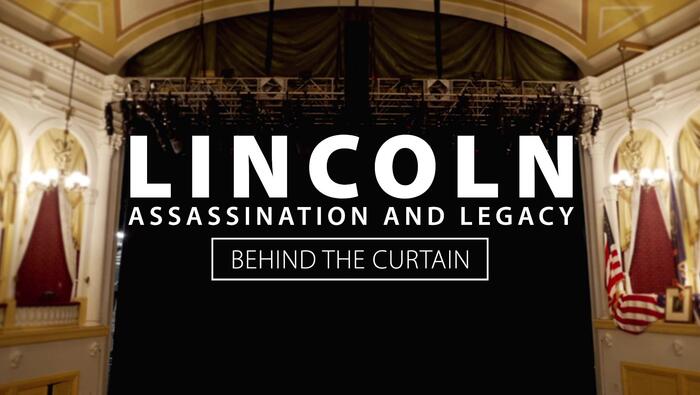
Behind the Curtain
In 1865, Ford’s Theatre became the scene of a historic tragedy – the assassination of Abraham Lincoln. But this was no spontaneous act of violence – it was the grisly climax of a conspiracy against the Union.
Add to Wish List
Group
Add to Cart
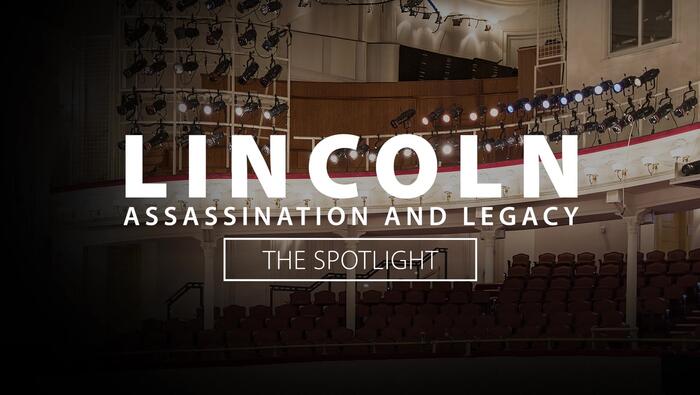
The Spotlight
On April 14th, 1865, with the United States in the grips of civil war, two men went about their business in Washington, D.C. – one the President of the United States, the other his would-be assailant.
Add to Wish List
Group
Add to Cart
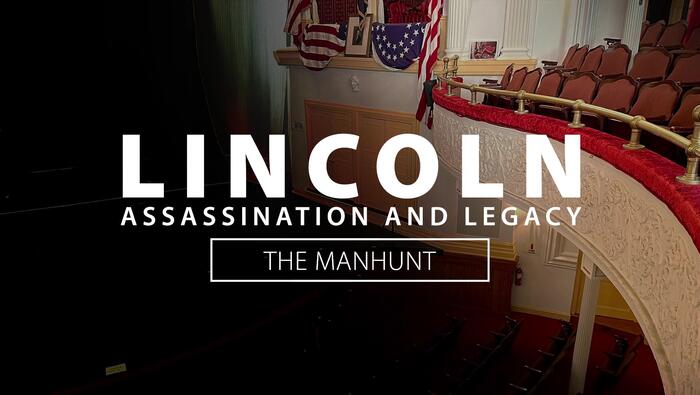
The Manhunt
In the wake of Abraham Lincoln’s assassination, the largest manhunt in American history took place, as Secretary of War Edwin Stanton coordinated efforts to locate John Wilkes Booth.
Add to Wish List
Group
Add to Cart
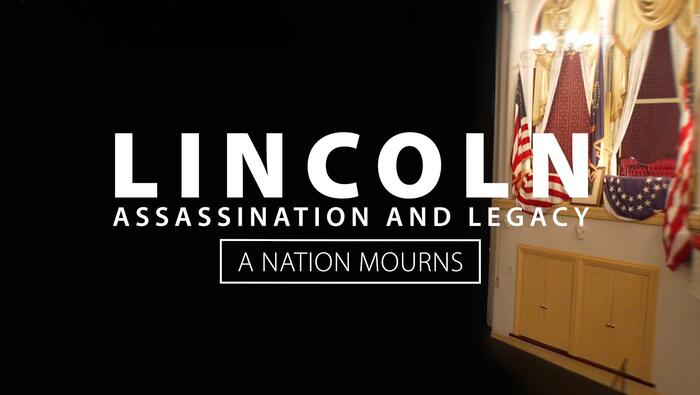
A Nation Mourns
In the hours, days and weeks after Abraham Lincoln’s assassination, the nation descended into mourning, with Lincoln’s funeral and Ford’s Theatre becoming the focus of national grief.
Add to Wish List
Group
Add to Cart
The Trial
In 1865, conspirators involved in the assassination of Abraham Lincoln were apprehended and put on trial in a military tribunal that sparked significant debates over the nature of American justice.
Add to Wish List
Group
Add to Cart
A Lasting Legacy
The assassination of Abraham Lincoln in 1865 had long-term impacts on American politics, civil rights, and Ford’s Theatre itself, now a living monument dedicated to Lincoln's legacy.
Add to Wish List
Group
Add to Cart
Power of Place
Jake Flack, Deputy Director of Education at Ford's Theatre, is joined by Educator, Dr. Giani Clarkson, to explore how place call tell the story of a pivotal moment or moments, making historical events tangible, personal, and more engaging for students.
Add to Wish List
Group
Add to Cart
The Power of Oratory
Victoria Reinsel, Master Teaching Artist at Ford’s Theatre, presents the Four-Part Framework—speech analysis, public speaking, writing and editing, and civic engagement—enhanced by powerful tools like Podium Points, Warm and Cool Feedback, the Rhetorical Triangle, and the Actor’s Approach.
Add to Wish List
Group
Add to Cart
Memorialization
Jake Flack, Deputy Director of Education at Ford's Theatre, is joined by Educator, Angelo Parodi to explore how memorials and memorialization can be powerful tools in the classroom.
Add to Wish List
Group
Add to Cart
Course Promo
A promotional film exploring Lincoln's assassination and legacy through a two-part ClassSpark course, featuring expert insights and actionable teaching strategies.
Add to Wish List
Group
Add to Cart
Course Overview
A short introduction to the ClassSpark Lincoln: Assassination and Legacy Teacher Professional Development Course.
Add to Wish List
Group
Add to Cart
Close
Scroll for more
There are no items in your cart
Scroll for more
Login to Continue
Close
check-twotone-24px